

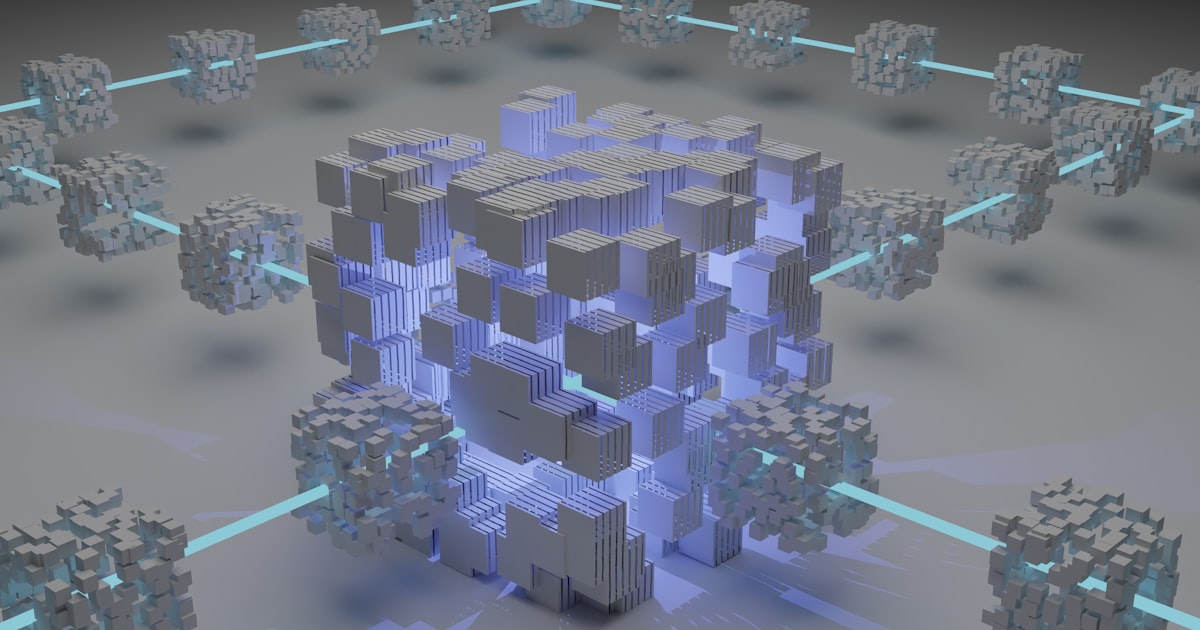
Introduction to Graph-Based Orchestration
Graph-based orchestration allows the system to adapt its investigation path based on what it discovers, mimicking how human expert teams operate. This approach enables more efficient and effective problem-solving, particularly in complex domains. GraphBit’s graph-based orchestration framework is designed to facilitate this process, providing a robust and scalable solution for non-linear workflows.
67.6%
accuracy achieved by GraphBit
11.9 ms
overhead latency
0
framework-induced hallucinations
💡 Key Benefits
Graph-based orchestration offers several key benefits, including improved adaptability, increased efficiency, and enhanced scalability.
GraphBit Architecture and Design
GraphBit’s architecture is centered around a deterministic execution engine, which governs all transitions within a user-defined workflow graph. This approach eliminates hallucinated routing by construction, ensuring reproducibility and auditability. The framework also features a three-tier memory model, which provides a robust and efficient solution for managing memory in multi-agent systems.
pub struct WorkflowExecutor { ... }WorkflowExecutor struct in Rust
Comparison with Other Agent Frameworks
GraphBit’s design choices and architecture differentiate it from other popular agent frameworks. While many frameworks operate on a prompt-orchestration model, GraphBit treats agents like functions within a distributed workflow. This approach provides a more robust and scalable solution for non-linear workflows.
6
existing frameworks outperformed by GraphBit
68
GAIA benchmark tasks
📊 Comparison Summary
GraphBit outperforms other frameworks in terms of accuracy, latency, and throughput.

Conclusion and Future Work
GraphBit provides a robust and scalable solution for graph-based agent orchestration, enabling more efficient and effective problem-solving in complex domains. Future work will focus on further optimizing the framework and exploring new applications for graph-based orchestration.
GraphBit vs. Other Agent Frameworks
GraphBit vs. Other Agent Frameworks
| Component | Open / This Approach | Proprietary Alternative |
|---|---|---|
| Orchestration Model | Graph-based | Prompt-based |
| Agent Treatment | Functions within a workflow | LLM personas |
| Memory Management | Three-tier memory model | Traditional memory management |
🔑 Key Takeaway
GraphBit’s graph-based orchestration framework provides a robust and scalable solution for non-linear workflows, enabling more efficient and effective problem-solving in complex domains. By treating agents as functions within a distributed workflow, GraphBit ensures reproducibility, auditability, and improved performance.
Key Links